Essays
The Wrath and the Journey
Two poems from one tradition, read by machine. What each poem hoards in its proper nouns, who speaks to whom in the small world of Greek heroes, and where the map runs out past the Catalogue of Ships — including the finding that 21.3% of the Odyssey is open water.
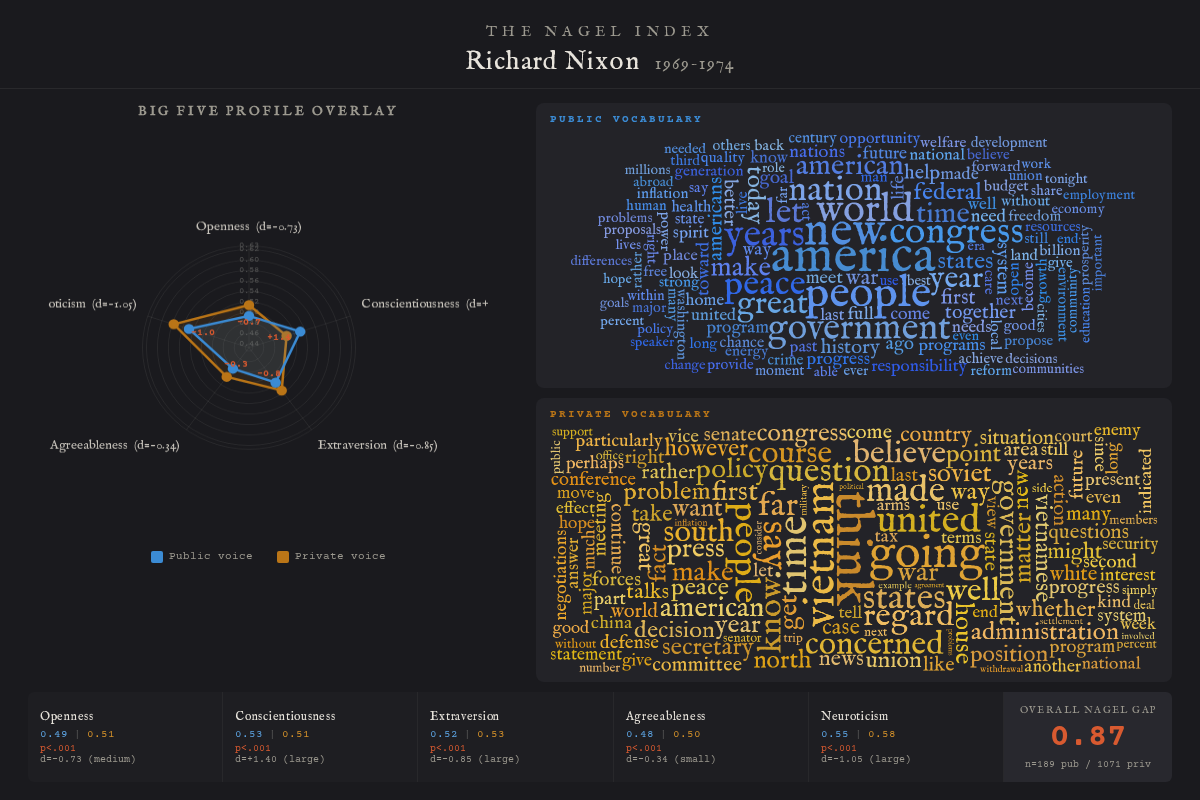
The great modern crimes are public crimes
Does power change a person — or reveal them? We applied Big Five personality analysis to the public speeches and private writings of seven American leaders. Lincoln was the same man in both rooms. Nixon was two different people. Kissinger knew exactly what he was doing.
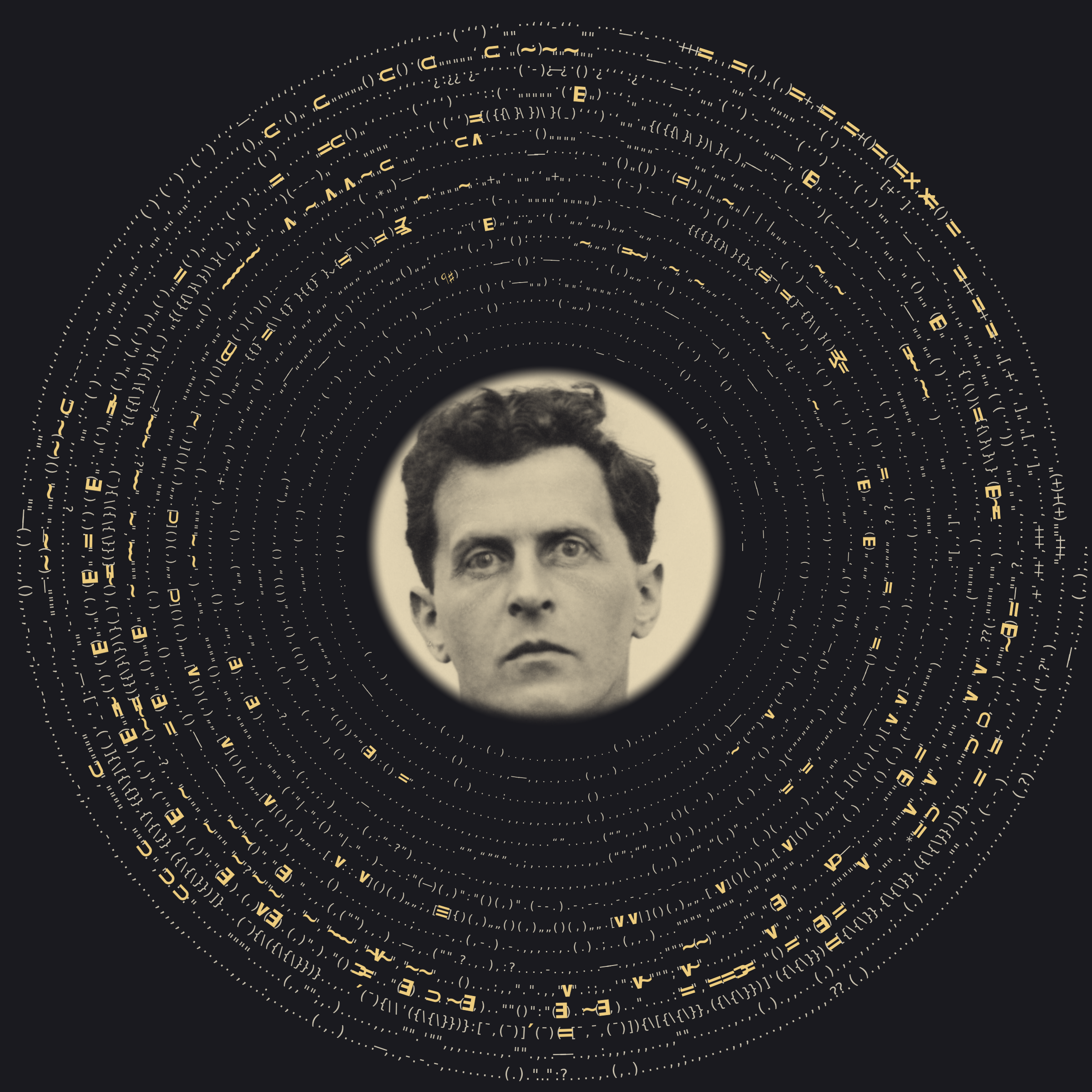
Whereof one cannot speak, thereof one must be silent
A visual reading of Wittgenstein's Tractatus: 2,025 sentences as a handwritten spiral, sized by centrality and coloured by community.
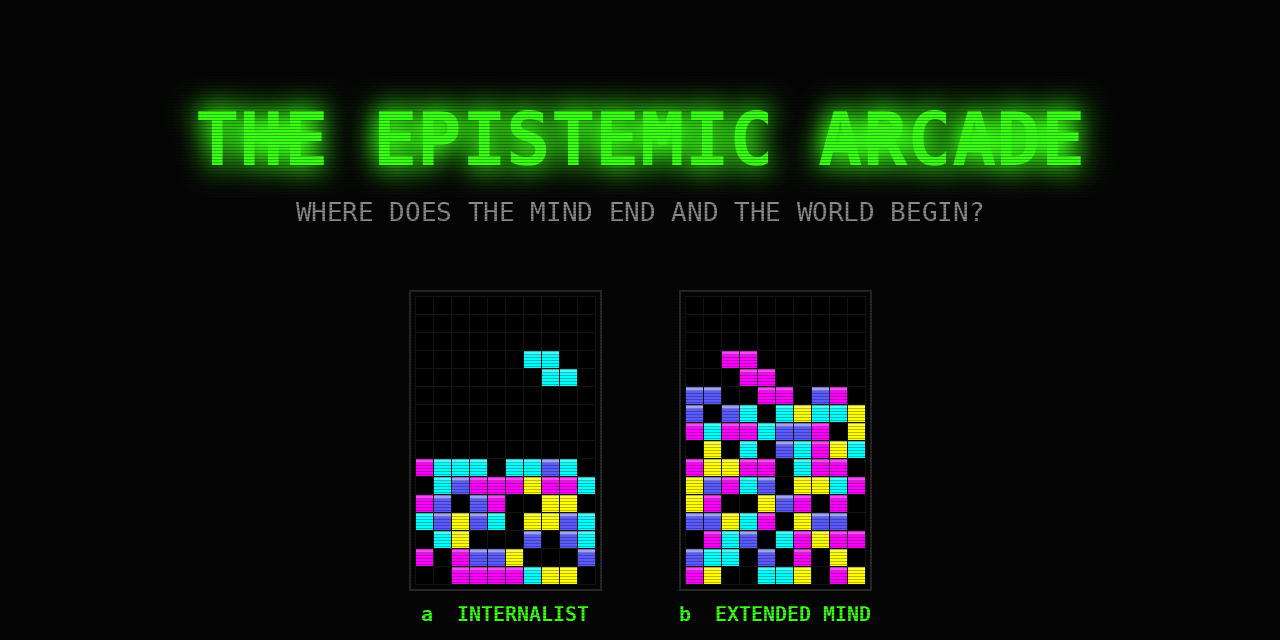
Where does the mind end and the world begin?
Two reinforcement-learning agents learn Tetris under identical architectures but opposite reward functions — one penalised for every keystroke, one free to think with its hands. A live test of Clark & Chalmers' extended-mind hypothesis.
Nekem írod a dalt
A scrollable visual essay on six decades of Hungarian popular song (1950–2026): the themes, words, emotions, rhymes and word-networks that shift decade by decade. In Hungarian.