Category: philosophy

  • Falsifiable Hypotheses: How Popper’s Philosophy Transformed My Data Science Practice

    Falsifiable Hypotheses: How Popper’s Philosophy Transformed My Data Science Practice

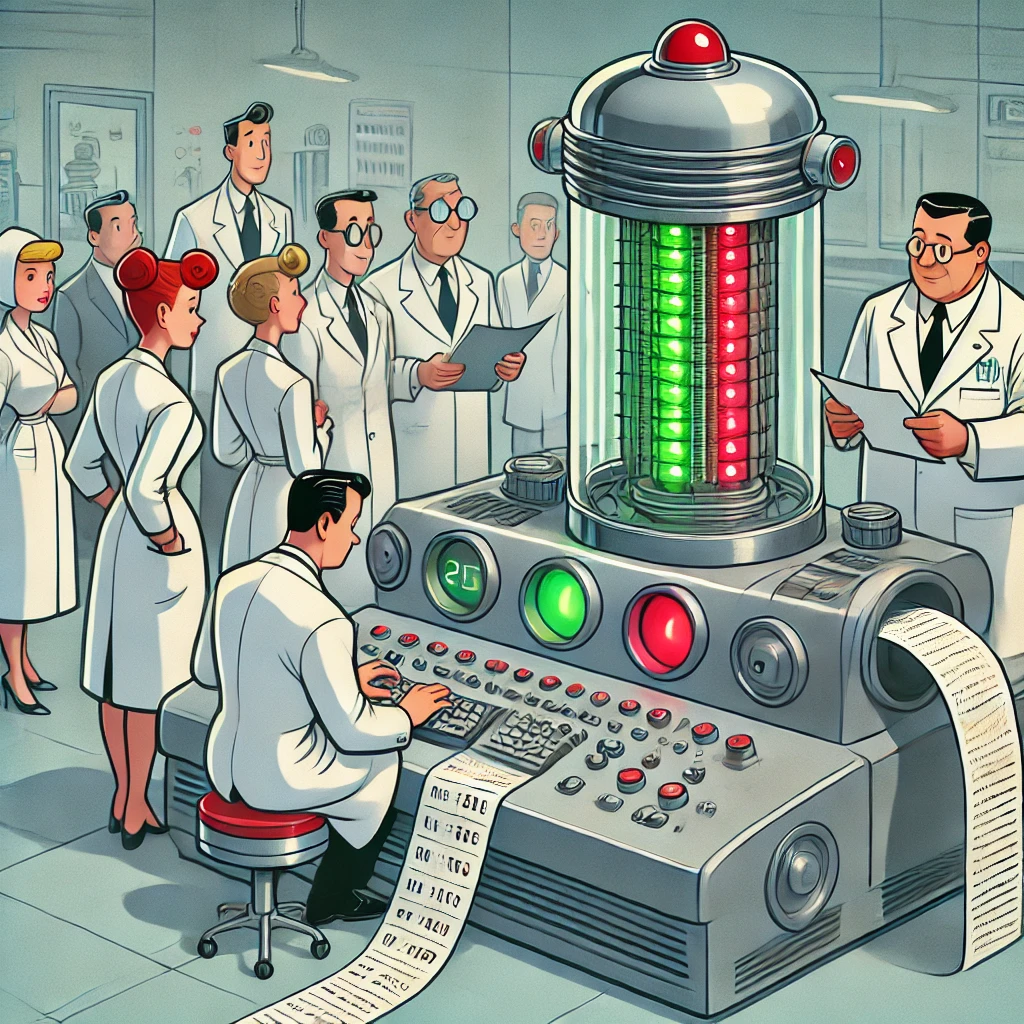
    WHEN a carefully designed data science initiative falters despite months of development and substantial investment, the root cause often lies not in the algorithms themselves but in epistemology—our approach to knowledge. Behind failed recommendation systems and underperforming predictive models frequently lies a common oversight: the absence of clearly defined conditions under which the underlying hypothesis would be considered disproven.

    Karl Popper formalized this as the demarcation problem: what separates genuine science from pseudoscience is its willingness to articulate the conditions under which a theory would be abandoned. This seemingly academic distinction has transformed my journey from enterprise software developer to successful startup founder, providing a robust framework for both technical decisions and business pivots.

    While technology practitioners rarely discuss philosophy of science or quote Roman philosophers, these frameworks offer practical armor against the most expensive mistakes in data science. In my experience, combining Popperian falsification with Stoic acceptance of reality creates something powerful—a methodology that ruthlessly tests hypotheses while enabling the emotional discipline to abandon failed approaches, however personally or professionally painful.

    (more…)

  • Are we still sure that language makes us human?

    Are we still sure that language makes us human?

    Understanding LLMs as Tools, Not Agents

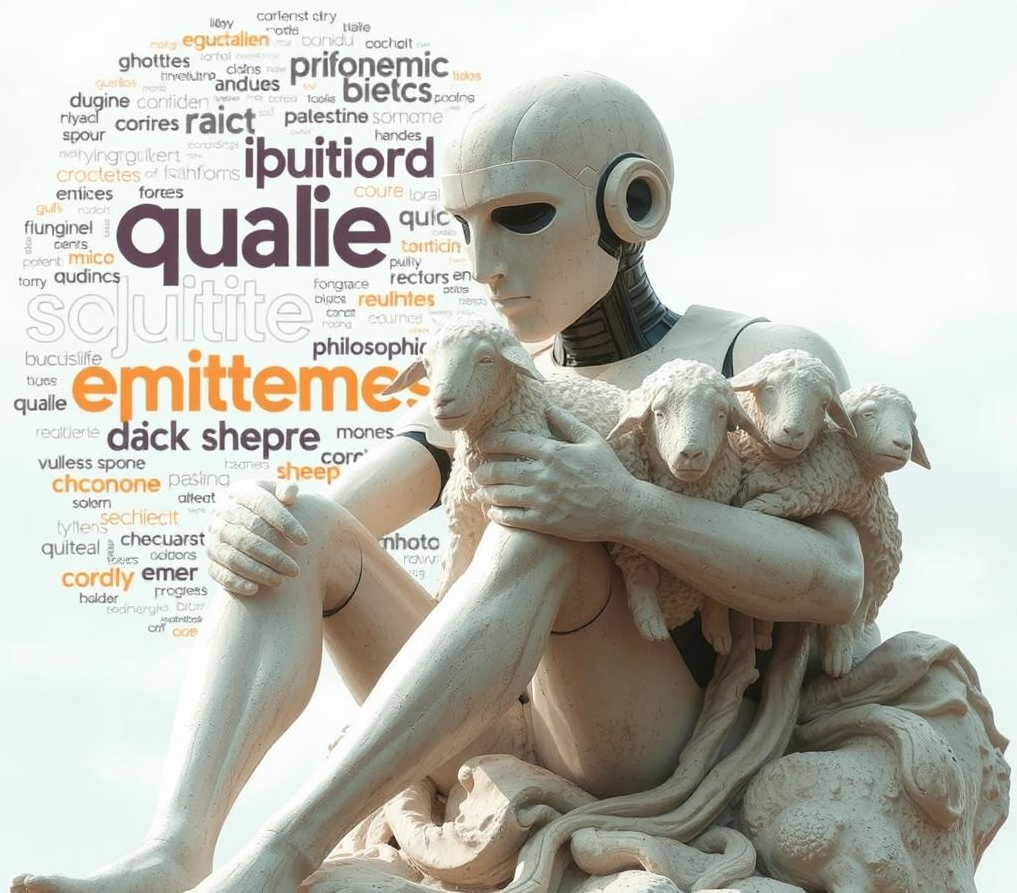
    In recent years, Large Language Models (LLMs) like ChatGPT have captured the public imagination with their ability to generate human-like text, leading to bold claims about machine consciousness and artificial linguistic capabilities. These claims often suggest that with enough data and computational power, machines might achieve proper language understanding comparable to humans. However, examining what human language entails reveals fundamental limitations in this perspective. Are LLMs really on the path to becoming conscious linguistic agents, or do we misunderstand the nature of language and the capabilities of these sophisticated pattern-matching systems?

    (more…)
  • From Blade Runner to Large Language Models: Testing for Machine Consciousness

    From Blade Runner to Large Language Models: Testing for Machine Consciousness

    In 1982, the film Blade Runner presented a world where artificial beings, called replicants, were virtually indistinguishable from humans. The film’s central tension revolves around a profound question: How can we tell if an artificial mind is truly conscious? The replicants in the film display emotion, reasoning, and even empathy, yet they’re dismissed as mere machines – much like how we might view today’s artificial intelligence systems. When one replicant, facing his final moments, says “I’ve seen things you people wouldn’t believe,” we’re forced to confront the possibility that these artificial beings might have genuine inner experiences, real consciousness.

    Philip K. Dick’s 1968 novel “Do Androids Dream of Electric Sheep?” raised profound questions about consciousness and what makes us human. The book, which later inspired the film Blade Runner, follows bounty hunter Rick Deckard as he pursues androids so sophisticated they’re nearly indistinguishable from humans. The title itself poses one of the central questions we still grapple with today: Can artificial beings have genuine inner experiences?

    This question has moved from science fiction into reality. As we interact with increasingly sophisticated large language models (LLMs), we face similar challenges: How can we tell if these systems possess genuine consciousness or merely convincingly simulate it?

    (more…)