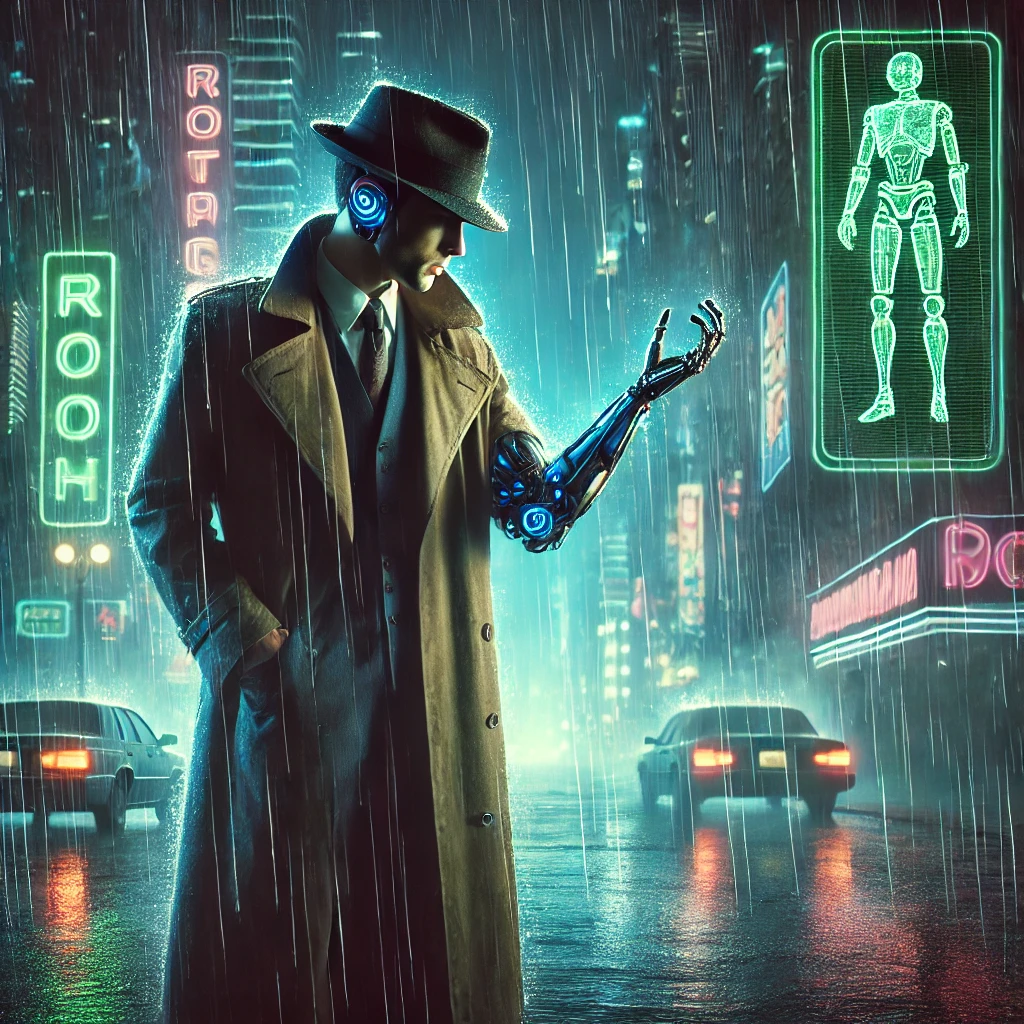
In the climactic scene of the 1982 film Blade Runner, a dying artificial being delivers a soliloquy about the memories he will lose: “All those moments will be lost in time, like tears in rain.” The scene poses a provocative question: Can a machine truly experience loss? Four decades later, as artificial intelligence (AI) systems become increasingly sophisticated, this philosophical puzzle has evolved from science fiction into a pressing technological and ethical challenge.
The quest to determine machine consciousness has moved from Hollywood to Silicon Valley. As large language models (LLMs) engage in increasingly human-like conversations, they force a reckoning with questions first posed by Philip K. Dick’s “Do Androids Dream of Electric Sheep?”, the novel that inspired “Blade Runner.” The challenge lies not merely in creating machines that can simulate consciousness but in developing reliable methods to detect genuine synthetic sentience.
(more…)