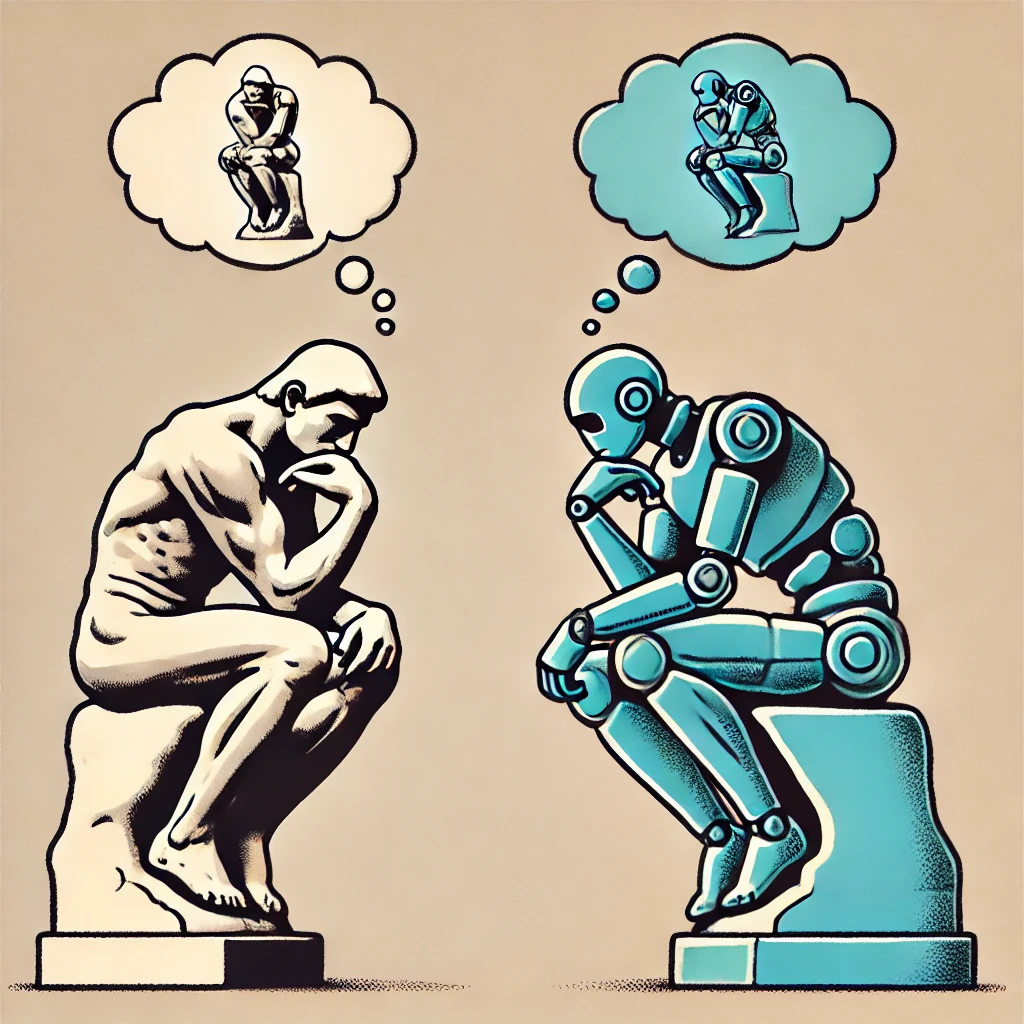
LARGE LANGUAGE MODELS (LLMs) have shown a remarkable ability to mimic human communication, making them increasingly valuable tools for everything from content creation to customer service. However, recent research reveals something unexpected about these AI systems: they consistently overestimate human rationality. When it comes to predicting human choices, they expect people to be far more logical than we are—a bias that mirrors our tendency to overestimate the rationality of others.
(more…)Tag: llms
-
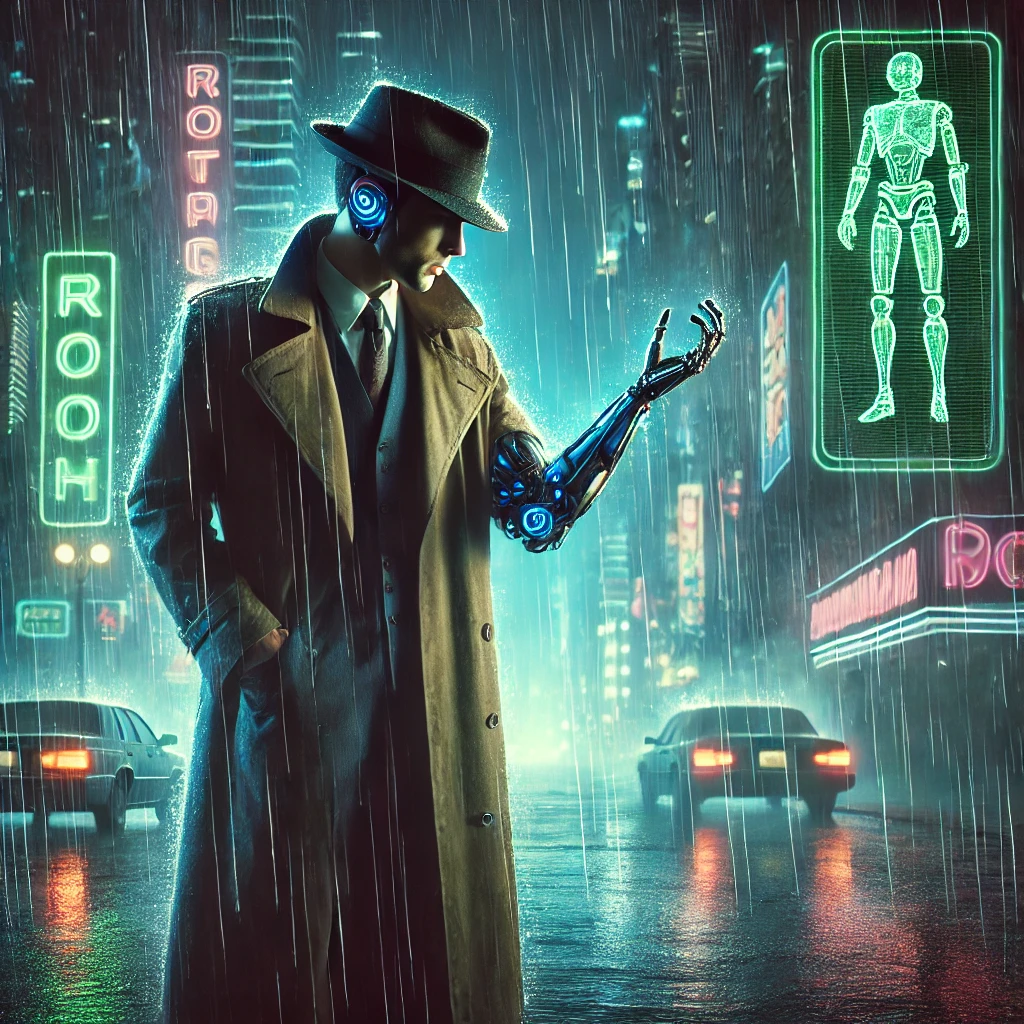
The consciousness conundrum: From science fiction to silicon minds
In the climactic scene of the 1982 film Blade Runner, a dying artificial being delivers a soliloquy about the memories he will lose: “All those moments will be lost in time, like tears in rain.” The scene poses a provocative question: Can a machine truly experience loss? Four decades later, as artificial intelligence (AI) systems become increasingly sophisticated, this philosophical puzzle has evolved from science fiction into a pressing technological and ethical challenge.
The quest to determine machine consciousness has moved from Hollywood to Silicon Valley. As large language models (LLMs) engage in increasingly human-like conversations, they force a reckoning with questions first posed by Philip K. Dick’s “Do Androids Dream of Electric Sheep?”, the novel that inspired “Blade Runner.” The challenge lies not merely in creating machines that can simulate consciousness but in developing reliable methods to detect genuine synthetic sentience.
(more…) -
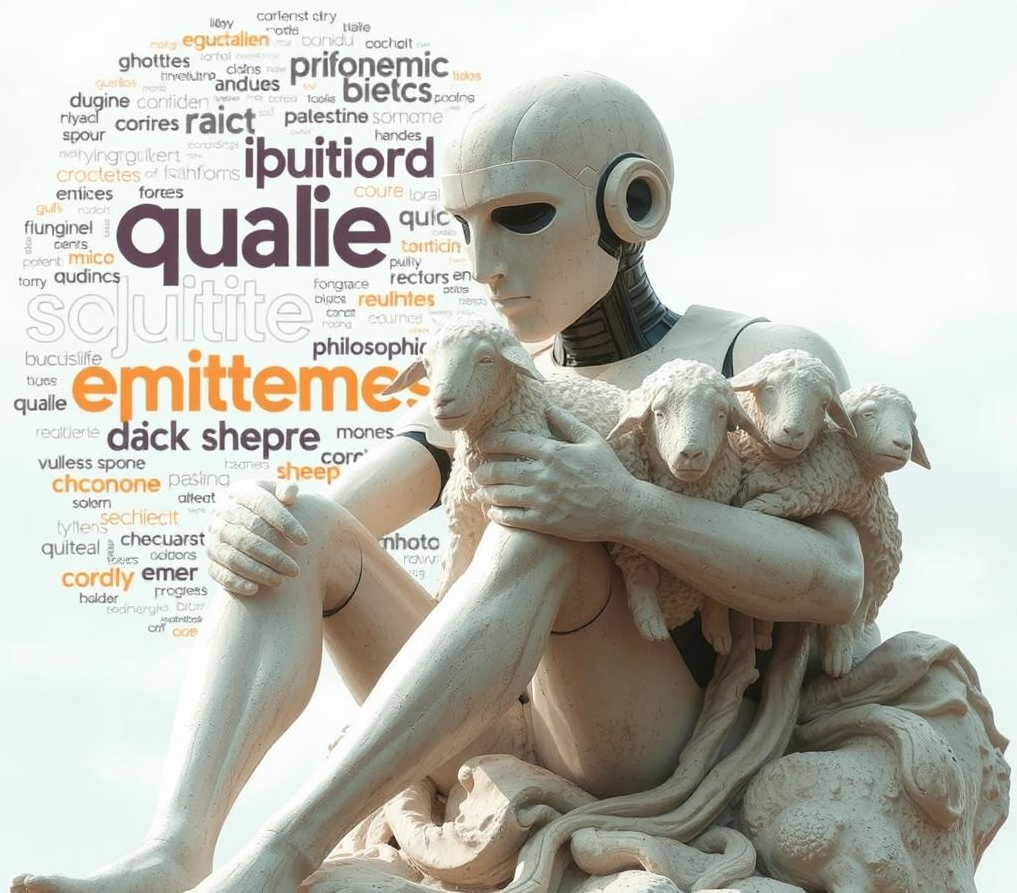
From Blade Runner to Large Language Models: Testing for Machine Consciousness
In 1982, the film Blade Runner presented a world where artificial beings, called replicants, were virtually indistinguishable from humans. The film’s central tension revolves around a profound question: How can we tell if an artificial mind is truly conscious? The replicants in the film display emotion, reasoning, and even empathy, yet they’re dismissed as mere machines – much like how we might view today’s artificial intelligence systems. When one replicant, facing his final moments, says “I’ve seen things you people wouldn’t believe,” we’re forced to confront the possibility that these artificial beings might have genuine inner experiences, real consciousness.

Philip K. Dick’s 1968 novel “Do Androids Dream of Electric Sheep?” raised profound questions about consciousness and what makes us human. The book, which later inspired the film Blade Runner, follows bounty hunter Rick Deckard as he pursues androids so sophisticated they’re nearly indistinguishable from humans. The title itself poses one of the central questions we still grapple with today: Can artificial beings have genuine inner experiences? This question has moved from science fiction into reality. As we interact with increasingly sophisticated large language models (LLMs), we face similar challenges: How can we tell if these systems possess genuine consciousness or merely convincingly simulate it?
(more…)