Crow Intelligence

AI is just a tool.  To use it effectively, you must understand how humans think and communicate. We know the strengths of both natural and artificial intelligence and how to combine them for optimal results. By bridging cognitive science and AI, we create solutions that enhance human capabilities and ensure seamless interaction.

Our Approach

Just as a well-designed tool feels like an extension of your hand, AI should feel like an extension of human intelligence. The best AI systems are built on two key principles:

Human Cognition

Understanding human thought and language ensures AI integrates seamlessly with natural cognitive processes.

Advanced AI Engineering

Cutting-edge AI technology, designed with cognitive awareness, creates powerful and intuitive systems.

Are you interested?

✉️ hello@crowintelligence.org

Blog

  • The Great Divergence

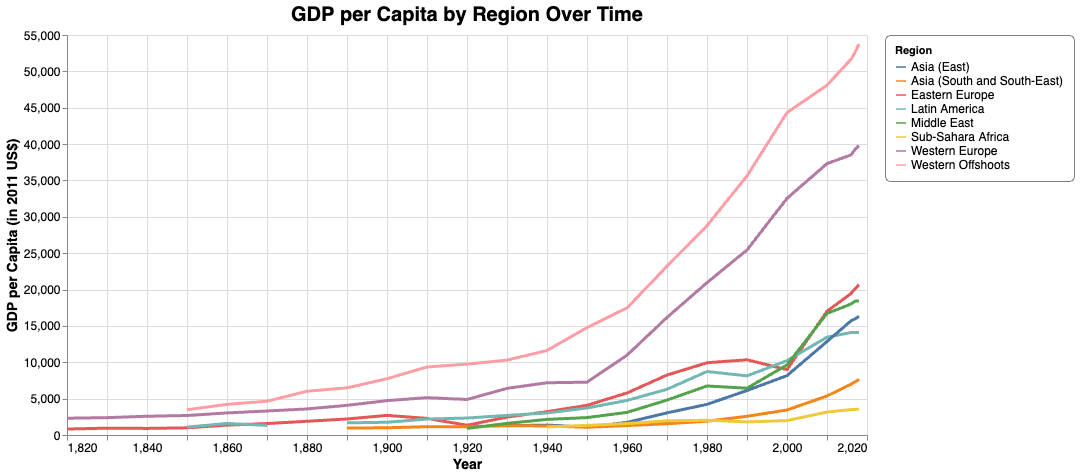
    The Great Divergence

    When did today’s vast economic inequalities between rich and poor nations emerge? The “Great Divergence” debate has occupied economic historians for decades. Based on the latest Maddison Project Database, our charts visualize this pivotal economic shift across major world regions since 1820.

    Kenneth Pomeranz’s influential book “The Great Divergence” (2000) challenged conventional wisdom by arguing that parts of Asia, particularly China’s Yangtze Delta, were on comparable economic footing with Europe until around 1800. According to Pomeranz, Europe’s subsequent surge ahead wasn’t inevitable but stemmed from fortunate access to coal and colonial resources.

    (more…)
  • Exploring Decision Intelligence

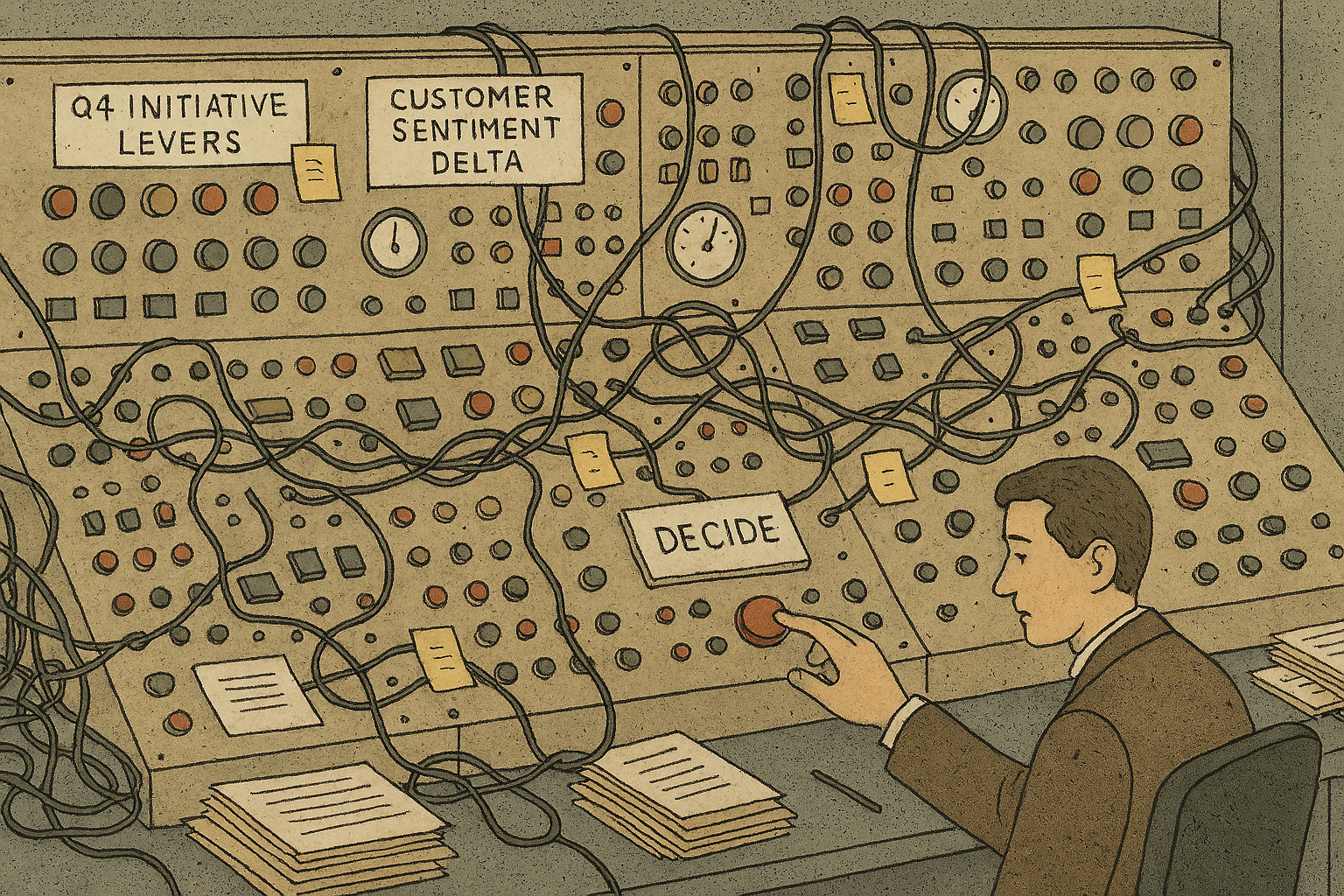
    Exploring Decision Intelligence

    Despite all our dashboards, predictive models, and strategic workshops, many organizations still struggle to make timely, effective decisions. Why?

    During our consulting projects over the past few years, we at Crow Intelligence (Orsolya Putz,PhD and me) have repeatedly encountered a term that immediately resonated with us: Decision Intelligence. Although the concept isn’t yet clearly defined, it seems to capture something essential about the challenges organizations face today.

    At Crow Intelligence, we combine cognitive science, AI, and thoughtful design to help organizations make better decisions.

    (more…)
  • Equality, What It Means and Why It Matters

    Equality, What It Means and Why It Matters

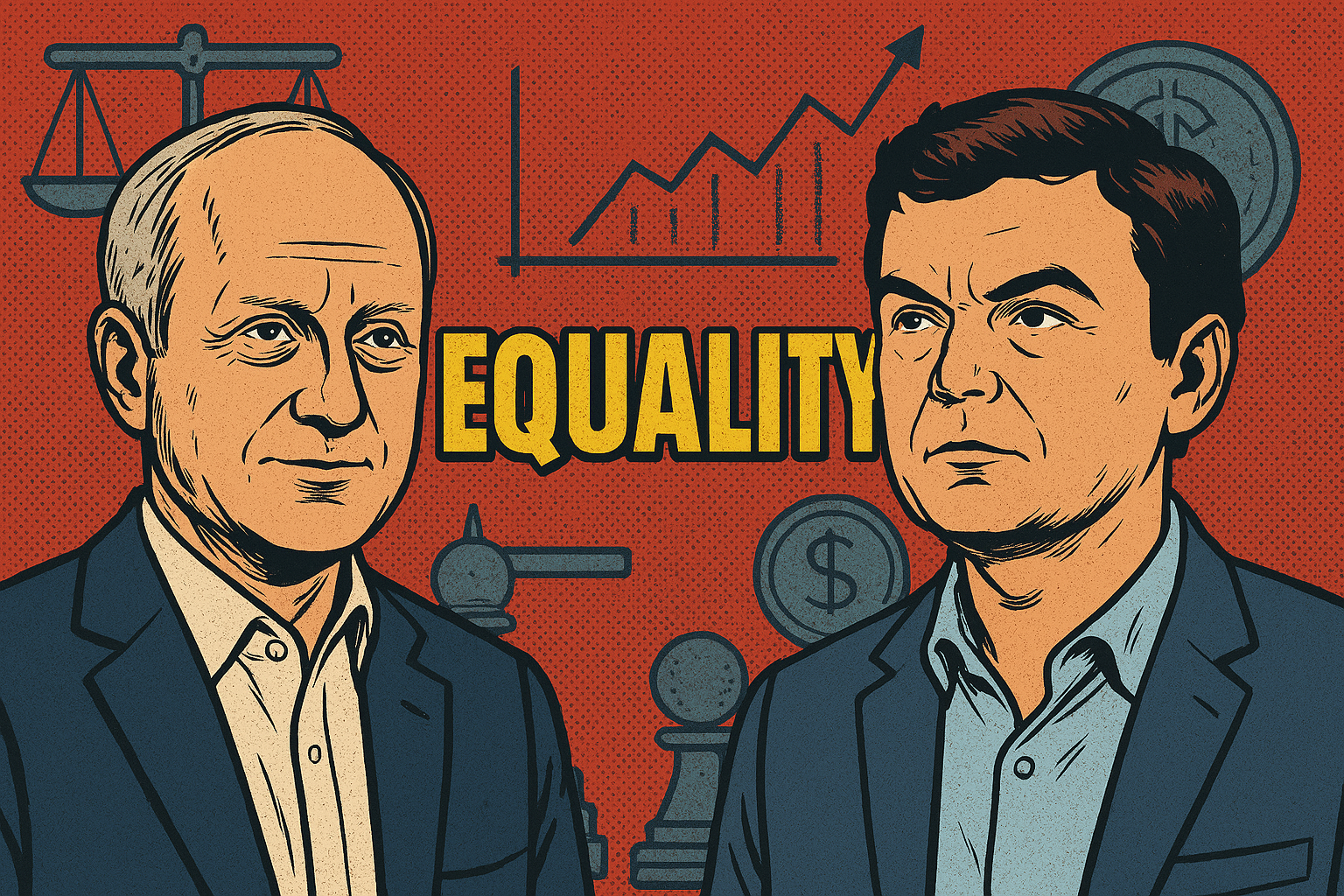
    I recently finished reading “Equality: What It Means and Why It Matters,” which captures a fascinating conversation between Michael Sandel and Thomas Piketty at the Paris School of Economics (May 2024). While this book is relatively brief, it builds upon two of the most important works of recent years: Sandel’s “The Tyranny of Merit” and Piketty’s “A Brief History of Equality.”

    (more…)
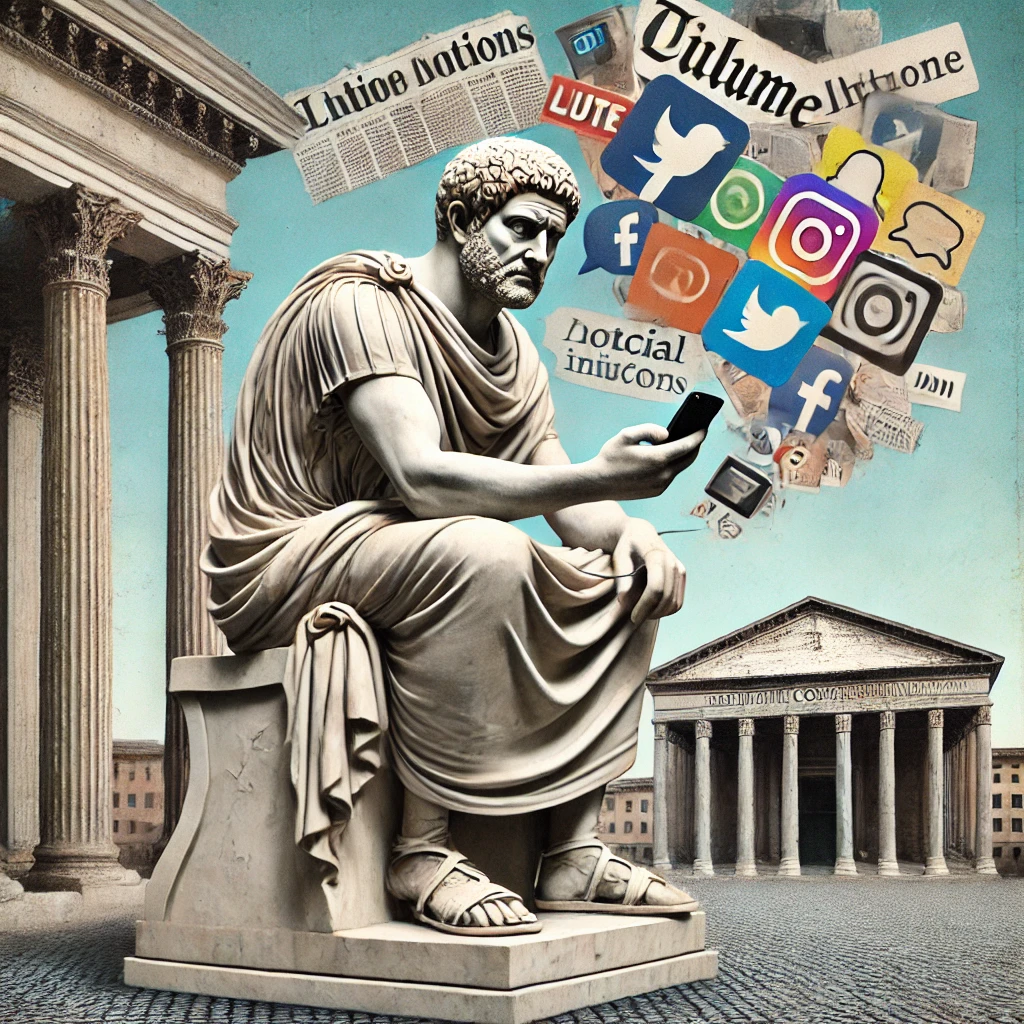
  • The Mindful Information Diet: A Stoic Approach to Modern Media

    The Mindful Information Diet: A Stoic Approach to Modern Media

    “The happiness of your life depends upon the quality of your thoughts.” This wisdom from Marcus Aurelius reminds us that attention is our most precious resource. In a world of infinite content, choosing what deserves our focus becomes an act of philosophy.

    The ancient Stoics understood that true wisdom comes not from absorbing everything, but from carefully selecting what deserves our attention. As Seneca advised, “To be everywhere is to be nowhere.” In our hyperconnected world, this warning has never been more relevant.

    What would Seneca think of our modern information landscape, where notifications ping incessantly and algorithms compete for every moment of our attention? I believe he would recognize it as the ultimate test of Stoic discipline—a constant exercise in choosing what truly matters.

    (more…)
  • Statistical Thinking as Philosophy: Essential Readings – Part I.

    Statistical Thinking as Philosophy: Essential Readings – Part I.

    “Philosophy of science without history of science is empty; history of science without philosophy of science is blind.” — Imre Lakatos

    Statistics isn’t just a collection of mathematical techniques—it’s a way of thinking about the world, addressing uncertainty, and drawing conclusions from incomplete information. As data scientists, machine learning engineers, and AI practitioners, we often apply statistical methods without reflecting on their theoretical foundations. Yet our work implicitly embodies philosophical stances about knowledge, evidence, and inference.

    This series presents foundational readings that shed light on the philosophical aspects of statistics. They are not intended to turn data practitioners into philosophers, but to offer accessible ways to reflect on the assumptions that underlie our daily work.

    (more…)